Bringing nature into your living space is one of the most effective ways to boost your mood, improve indoor air quality, and elevate your interior design. If you want to maximize your vertical space and create a lush, living tapestry, incorporating indoor climbing plants into your decor is the perfect solution. These versatile green companions effortlessly soften harsh architectural lines, draw the eye upward, and bring a touch of the vibrant outdoors inside. Whether you want to frame a sunny window or create a dramatic focal point on an empty wall, trailing vines offer endless design possibilities. They are perfect for plant lovers who want to add depth, texture, and dynamic movement to their homes without sacrificing valuable floor space. Using indoor climbing plants can completely redefine how you view your indoor environment.
Why Choose Indoor Climbing Plants for Your Home?
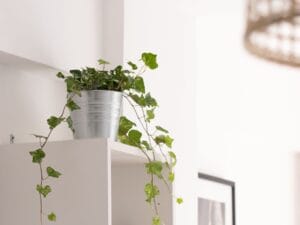
Unlike traditional potted greens that sit statically on a tabletop or windowsill, these dynamic specimens actively interact with their environment. Choosing indoor climbing plants allows you to utilize vertical wall space, making them ideal for smaller apartments, cozy reading nooks, or crowded rooms where floor space is at a premium. By training vines to grow upward, you create a sense of height and grandeur, making low ceilings feel significantly taller.
Many homeowners appreciate how indoor climbing plants can trail down high shelves, wrap around structural pillars, or climb up customized trellises. Beyond their undeniable aesthetic appeal, these climbers also act as natural air purifiers, filtering out common household toxins while boosting indoor humidity levels. For a deeper look at how to keep these plants thriving in various home environments, you can consult Penn State Extension’s guide on growing indoor plants with success. This vertical integration of greenery is a core tenet of biophilic design, which seeks to connect human environments closely with the natural world to reduce stress and enhance cognitive function. Cultivating indoor climbing plants offers both physical and mental health benefits.
7 Best Indoor Climbing Plants for Stunning Decor
1. Golden Pothos (Epipremnum aureum)
Often recommended for beginners, the Golden Pothos is incredibly resilient, highly adaptable, and exceptionally fast-growing. Its heart-shaped, variegated leaves cascade beautifully from hanging baskets or climb eagerly up moss poles. This plant features beautiful splashes of yellow, cream, or white variegation that become more pronounced when exposed to bright, indirect light. However, it is also highly tolerant of low-light conditions, making it suitable for offices or darker corners of your home.
To get the most out of your Golden Pothos as one of your primary indoor climbing plants, consider training it up a cedar plank or a damp moss pole. When its aerial roots attach to a solid, moist support, the leaves will naturally grow larger over time, sometimes reaching up to a foot in diameter in optimal conditions. Water your Pothos only when the top two inches of soil are completely dry, as they are highly susceptible to root rot if left in standing water. Popular cultivars to look out for include ‘Marble Queen’, ‘Neon’, and ‘N’Joy’. If you are new to cultivating indoor climbing plants, this species is the perfect starting point.
2. Heartleaf Philodendron (Philodendron hederaceum)
With its deep green, velvety foliage and graceful growth habit, the Heartleaf Philodendron brings an instant romantic charm to any room. It is one of the most popular indoor climbing plants because it thrives in a wide range of lighting conditions, from low to medium indirect light. You can easily train its flexible vines to trail along mantlepieces, wrap around curtain rods, or frame a bright window frame.
While often confused with the Pothos, the Heartleaf Philodendron can be distinguished by its thinner, more papery leaves and the presence of protective sheaths (cataphylls) that drop off as new leaves emerge. This plant prefers a well-draining potting mix rich in organic matter. Keep the soil consistently moist but not soggy, and mist the leaves occasionally to mimic its native tropical rainforest environment. Cultivars like ‘Brasil’ offer stunning lime-green variegation, while ‘Micans’ features gorgeous iridescent, velvet-textured leaves with bronze undersides. Adding these indoor climbing plants to your collection brings a soft, elegant touch to any room.
3. Monstera Adansonii (Swiss Cheese Vine)
Famous for the unique, naturally occurring oval fenestrations in its leaves, the Monstera Adansonii adds an instant architectural and tropical element to your interior. The Swiss Cheese Vine loves bright, indirect sunlight and high humidity. Providing it with a sturdy totem, moss pole, or trellis will encourage larger leaf growth and more dramatic fenestrations as it climbs upward toward the light source.
In the wild, these plants climb up massive tree trunks, and they will attempt to do the same in your home. If left to hang from a basket, the leaves will remain relatively small and compact. However, if you secure the main vine to a vertical support, you will notice a rapid increase in leaf size and vigor. Ensure you use a chunky, highly aerated soil mix containing orchid bark, perlite, and peat moss to prevent compaction. Water thoroughly when the top half of the soil has dried out, and fertilize regularly during the spring and summer growing seasons. For those who love exotic aesthetics, these indoor climbing plants are truly unmatched.
4. English Ivy (Hedera helix)
For a classic, timeless, and slightly rustic aesthetic, English Ivy is an exceptional choice among indoor climbing plants. This vigorous climber uses tiny, clinging aerial rootlets to scale almost any textured surface, including brick, stone, and wood. It thrives in cooler indoor temperatures and bright, indirect light, making it perfect for entryways, drafty hallways, or bathrooms with good ventilation.
Because English Ivy prefers consistent moisture and cooler air, it is important to monitor its environment closely. Dry, hot air can make it highly susceptible to spider mites. To prevent pests, mist the foliage regularly and wash the leaves under a gentle shower stream once a month. English Ivy looks spectacular when trained over wire topiary frames, creating elegant living sculptures, or when allowed to cascade down from high floating shelves to create a dense, green curtain. It remains one of the most traditional indoor climbing plants used in home design.
5. Hoya Carnosa (Wax Plant)
If you appreciate thick, succulent-like leaves, woody climbing stems, and fragrant, porcelain-like blossoms, the Hoya Carnosa is a must-have addition to your collection. This semi-succulent climber produces stunning, star-shaped flower clusters that emit a sweet, honey-like scent, especially in the evening. It prefers bright, indirect light and a very chunky, well-draining soil mix, such as an orchid or succulent blend.
Unlike many other climbers, the Hoya Carnosa is relatively slow-growing initially, but once established, its vines will wrap gracefully around wire hoops, bamboo trellises, or custom wall grids. It is crucial not to cut off the leafless spurs (peduncles) after the flowers fade, as new blooms will emerge from the exact same spots year after year. Water this plant sparingly, allowing the soil to dry out completely between waterings, as its thick leaves store water efficiently. Many collectors value Hoyas as highly rewarding indoor climbing plants due to their unique blooms.
6. Arrowhead Plant (Syngonium podophyllum)
The Arrowhead Plant features beautiful spade-shaped leaves that undergo a fascinating transformation as the plant matures. While it starts its life as a compact, bushy tabletop plant, it quickly begins to send out long, vigorous trailing vines that search for vertical structures to climb. It loves regular misting, high humidity, and bright, indirect light to maintain its vibrant variegation, which can range from dusty pink to deep emerald green.
To encourage its climbing habit, secure the young vines to a moss pole or a small trellis. As it climbs, the leaves will transition from their juvenile arrowhead shape into deeply lobed, mature leaves with three to five distinct leaflets. Keep the soil evenly moist but never waterlogged. If the vines become too long or sparse, simply snip them back to a node; this will encourage the plant to branch out from the base, resulting in a much fuller, bushier appearance. These versatile indoor climbing plants can easily adapt to various decorative styles.
7. Creeping Fig (Ficus pumila)
Characterized by its tiny, delicate, heart-shaped leaves and incredibly dense growth habit, the Creeping Fig creates a lush, carpet-like green wall effect. It loves consistent moisture, high humidity, and bright, indirect light to thrive. This fast climber easily covers wire frames, topiary shapes, or wall mounts to create a living work of art that feels straight out of a secret garden.
Unlike many other indoor climbing plants, the Creeping Fig does not tolerate drying out. If the soil dries out completely, the delicate leaves will quickly turn crispy and drop, and the plant may struggle to recover. Keep the soil consistently damp and place the plant in a high-humidity area, such as a bathroom or near a humidifier. Be cautious when allowing it to climb directly onto painted drywall, as its powerful adhesive rootlets can damage paint and plaster when removed; instead, provide a dedicated trellis or wire mesh. When managed correctly, these indoor climbing plants offer an unparalleled dense green coverage.
How to Support and Style Your Climbers
To get the most out of your vertical garden, you need to provide your plants with the right structural support. Choosing the correct support not only keeps your plants organized but also directly influences their health, leaf size, and growth rate. Here are the most popular support systems for indoor vines:
- Moss Poles: These are ideal for climbing aroids like Monsteras and Philodendrons. Made from sphagnum moss wrapped around a sturdy wooden or plastic stake, they retain moisture when misted, allowing aerial roots to burrow inside and absorb water and nutrients.
- Coco Coir Poles: A low-maintenance alternative to moss poles, coco coir poles are made from coconut husks. While they do not retain moisture as well as sphagnum moss, they provide an excellent textured surface for aerial roots to grip.
- Trellises and Lattices: Available in bamboo, metal, or wood, trellises are perfect for plants with twining stems or tendrils, such as Hoyas and Arrowhead Plants. They can be inserted directly into the pot or mounted on the wall behind the plant, offering a classic way to display indoor climbing plants.
- Wall Clips and Wire Grids: If you want to guide your vines across a large expanse of drywall without damaging the surface, adhesive plant clips or clear command hooks are fantastic. You can map out custom patterns, directing the vines to frame doorways, windows, or artwork, which is perfect for styling indoor climbing plants.
As these plants climb, their aerial roots grip the support, which often stimulates the production of larger, healthier leaves. Alternatively, letting them cascade naturally from high floating shelves creates a dramatic, waterfall-like visual effect that softens hard corners and adds organic movement to your living space. Providing proper support is essential for all indoor climbing plants to reach their full potential.
How to Train Your Plants to Climb
Training your plants to climb is a simple and rewarding process that requires a bit of patience and the right tools. Start by choosing a young, healthy plant that has already begun to produce trailing vines. Gently insert your chosen support structure into the potting soil, taking care not to damage the plant’s main root system.
Next, carefully wrap the longest vines around the support. Use soft plant ties, velcro tape, or garden twine to secure the stems loosely to the pole or trellis. Avoid tying them too tightly, as this can restrict water flow and damage the delicate stems. As the plant grows, continue to guide the new growth upward, securing it at regular intervals. Over time, species with aerial roots will naturally attach themselves to the support, reducing the need for manual ties. This simple training method works beautifully for almost all indoor climbing plants.
Essential Care and Maintenance Guide
While climbing plants are generally easy to care for, they do require specific maintenance to keep them looking their best and prevent them from overtaking your living space. Follow these essential care tips to ensure your vertical garden remains healthy and vibrant:
Watering and Humidity
Most climbing varieties are native to tropical rainforests, meaning they appreciate high humidity and consistent moisture. However, overwatering is the number one killer of houseplants. Always check the moisture level of the soil before watering by inserting your finger or a moisture meter into the top few inches. If the soil feels dry, water thoroughly until water drains out of the bottom of the pot. To boost humidity, group your plants together, use a pebble tray, or invest in a high-quality cool-mist humidifier. Maintaining proper humidity is crucial for keeping indoor climbing plants healthy and vibrant.
Soil and Fertilization
A high-quality, well-draining soil mix is essential for preventing root rot. Create a custom blend by mixing standard potting soil with perlite, orchid bark, and peat moss. This ensures that water can drain freely while still retaining enough moisture to keep the roots hydrated. During the active growing season (spring and summer), feed your plants with a balanced, water-soluble liquid fertilizer diluted to half strength every two to four weeks to support rapid vine growth. Proper nutrition ensures your indoor climbing plants grow quickly and maintain their lush color.
Pruning and Propagation
Pruning is crucial for maintaining the shape of your plants and encouraging bushier growth. If left unpruned, climbing vines can become “leggy”—meaning they have long, bare stems with very few leaves. Use clean, sterilized pruning shears to snip off the growing tips just above a leaf node. This stimulates the plant to produce new branches from the nodes below, resulting in a fuller appearance.
Don’t throw away your cuttings! Most climbing plants are incredibly easy to propagate. Simply place the stem cuttings (ensuring each cutting has at least one node and a leaf) in a jar of clean water. Within a few weeks, you will see new roots developing. Once the roots are a few inches long, you can pot them in soil to create entirely new plants or plant them back into the original pot to make the parent plant look even fuller. Propagating indoor climbing plants is a cost-effective way to expand your home jungle.
Pest Management
Keep a close eye out for common houseplant pests such as spider mites, mealybugs, fungus gnats, and scale. These pests love to hide on the undersides of leaves and in the crevices where leaves meet the stems. If you notice any signs of infestation, isolate the affected plant immediately to prevent the pests from spreading to your other greenery. Treat the plant with organic neem oil, insecticidal soap, or a gentle mixture of water and mild dish soap, wiping down the leaves and stems thoroughly. Protecting your indoor climbing plants from pests will keep them thriving for years to come.
Creative Styling Ideas for High Wall Decor
Once you have mastered the basics of care and support, you can get creative with how you display your vertical greenery. Here are some inspiring ways to style your climbers to elevate your home decor:
The Living Wall Tapestry: Create a dramatic focal point by mounting a series of wall planters or a wire grid on an empty wall. Plant a mix of different climbers, such as Golden Pothos, Heartleaf Philodendron, and Swiss Cheese Vine, and let them interweave to form a lush, multi-textured living tapestry.
Framing Architectural Features: Use adhesive wall clips to guide trailing vines around architectural elements in your home. Frame a large window, trace the outline of an arched doorway, or run the vines along a fireplace mantel to draw attention to these beautiful features.
Staircase Banister Greenery: If you have a staircase with open banisters, wrap the vines of a hardy climber like English Ivy or Pothos gently around the spindles. This creates a stunning, organic transition between the different levels of your home.
High Floating Shelves: Place trailing plants on the highest shelves in your room and let their vines cascade down toward the floor. This not only utilizes unused vertical space but also creates a beautiful, waterfall-like effect that adds depth and softness to your walls. Utilizing indoor climbing plants in this manner creates an instant visual impact.
Elevate Your Space with Vertical Greenery
Integrating dynamic indoor climbing plants into your home styling is more than just a passing interior design trend. It is a creative, rewarding way to bring life, texture, and natural beauty into your daily environment. By choosing the right plants for your lighting conditions, providing them with sturdy support, and maintaining a regular care routine, you can transform any blank wall into a breathtaking vertical sanctuary. Whether you prefer the classic elegance of English Ivy, the architectural charm of the Swiss Cheese Vine, or the resilient beauty of the Golden Pothos, there is a perfect climber waiting to elevate your home today. Embrace the beauty of indoor climbing plants and watch your living space transform.