Growing indoor greenery brings vibrant warmth and natural beauty to modern living environments. Caring for a jade plant (Crassula ovata) is one of the most rewarding experiences for indoor plant enthusiasts of all skill levels. Known for its thick woody stems, plump teardrop leaves, and tree-like habit, this classic jade plant can thrive for decades when given proper attention.
Table of Contents
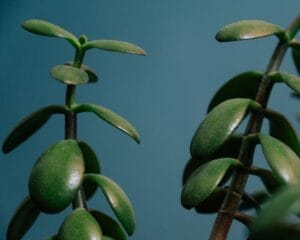
By understanding its specific light, watering, soil, and temperature preferences, you can transform a modest specimen into a stunning architectural centerpiece. This comprehensive guide outlines seven proven secrets to maintaining healthy foliage, preventing common care errors, and cultivating a long-lasting houseplant. If you enjoy these low-water plants, you will find that the jade is a perfect addition to your collection.
Secret 1: Provide Optimal Bright, Indirect Sunlight for Your Jade Plant
Lighting stands as one of the most critical factors influencing the structural strength and leaf color of indoor succulents. In native habitats across South Africa, these plants adapt to intense direct sunlight for many hours each day. To ensure the best light for your jade plant, you must mimic these conditions without scorching the leaves.
Inside the home, placement near a south-facing or west-facing window usually provides ideal illumination. Aim to give your plant at least four to six hours of bright light daily to support compact, sturdy stem development.
Recognizing Lighting Signals
Foliage appearance offers immediate visual feedback regarding light quality. Leaves that display subtle reddish or deep purple edges are receiving optimal bright sunlight without experiencing stress. This is a sign of a very happy succulent.
Conversely, dark green leaves spaced widely apart along elongated stems signal insufficient light exposure. This leggy growth pattern occurs as the plant stretches toward available light sources, compromising its natural tree shape.
Using Supplemental LED Grow Lights
If your home lacks bright southern or western exposures, full-spectrum LED grow lights provide an excellent alternative. Position grow lights approximately six to twelve inches above the foliage canopy to maintain the health of your jade plant.
Maintain light exposure for eight to twelve hours daily during autumn and winter. This supplemental lighting keeps stem joints tight, prevents drooping, and preserves rich foliage pigmentation year-round.
Secret 2: Master the Soak-and-Dry Watering Method
Overwatering remains the single most common reason succulent lovers encounter root issues and leaf loss. Because succulents store water inside fleshy leaves and woody trunks, they require significantly less moisture than standard foliage houseplants. When learning how to irrigate your jade plant, always test soil moisture thoroughly before reaching for the watering vessel.
The soak-and-dry technique simulates natural precipitation patterns and allows root systems to breathe between waterings. Mastering this is the key to successfully watering a jade plant without causing rot.
How to Apply the Soak-and-Dry Method
Begin by checking the moisture level several inches beneath the surface using your finger or a moisture meter. Ensure the potting medium is entirely dry from top to bottom before adding water.
Apply water evenly around the base until liquid drains freely from the bottom drainage holes. Allow all excess moisture to drain completely from the pot before placing it back onto its saucer.
Never let roots sit in standing water inside decorative saucers or outer pots. Stagnant water deprives root tissues of oxygen and rapidly encourages fungal pathogens. If your plant is struggling despite your best efforts, you may need to revive a dying houseplant using specific emergency recovery techniques.
Seasonal Water Adjustments
Water requirements fluctuate significantly between active growth cycles and seasonal rest periods. During spring and summer, warm temperatures and active growth demand regular soakings every ten to fourteen days.
During late autumn and winter, shorter daylight hours trigger a natural dormancy period. Reduce watering frequency to once every four to six weeks, applying only enough moisture to prevent leaf shriveling.
Secret 3: Choose Fast-Draining Soil Mix and Ideal Containers
Standard potting soils retain far too much moisture for desert-adapted plants. Using heavy moisture-retaining soils compacts fragile root systems and leads to rot issues rapidly. Finding a substrate that is best for a jade plant involves prioritizing drainage over moisture retention.
Creating or purchasing a coarse, sandy succulent mixture ensures fast water drainage while retaining adequate aeration around root structures.
Building the Ideal Succulent Soil Mix
A balanced potting substrate should consist of both organic matter and inorganic drainage materials. Combine equal parts high-quality potting soil, coarse builder’s sand, and perlite or pumice.
- Potting Soil (40%): Provides core organic nutrients and basic stability for root anchoring.
- Perlite or Pumice (30%): Creates coarse air pockets that prevent soil compaction and promote oxygen exchange.
- Coarse Sand or Grit (30%): Ensures rapid water drainage and prevents soil particle clumping.
Selecting the Right Pot Material and Size
Container selection directly impacts root health and drainage performance. Unglazed terracotta pots represent the best container choice because porous clay walls allow moisture to evaporate from soil sides.
Always choose containers with adequate drainage holes in the base. Select a pot that comfortably fits the existing root ball with only one to two inches of extra space around the edges, as overly large pots hold excess soil moisture.
Secret 4: Maintain Ideal Indoor Temperatures and Humidity
Succulents flourish in standard household environment temperatures but remain sensitive to extreme cold and rapid thermal fluctuations. Maintaining steady environmental conditions protects tender growth and leaf attachment. When protecting a jade plant, consistency is more important than high heat.
Daytime temperatures between 65°F and 75°F (18°C to 24°C) encourage steady, robust foliage production. Cooler night temperatures around 55°F to 60°F (13°C to 15°C) mirror natural desert conditions and support metabolic health.
Protecting Plants from Thermal Stress
Position containers safely away from cold glass windows, drafty exterior doors, and direct air currents from air conditioners during summer. Cold drafts can cause sudden leaf dropping and stem shock.
Similarly, keep plants clear of heating vents, radiators, and fireplaces in winter. Excessive hot dry air accelerates foliage desiccation and damages outer leaf edges.
Managing Household Humidity
Indoor succulents prefer relative humidity levels between 30% and 50%, matching standard residential air conditions. High humidity levels combined with low air movement create ideal conditions for fungal infections.
Avoid placing containers inside humid bathrooms or near room humidifiers. Maintaining clean air circulation around foliage branches ensures dry leaf surfaces and healthy respiration.
Secret 5: Feed with Balanced Nutrients During Active Growth
While succulents survive in nutrient-lean soils, regular light feeding during active growth seasons encourages lush foliage and thick woody stems. Nutrients strengthen cell walls and enhance overall environmental resistance. Feeding the jade plant correctly prevents the “leggy” look often seen in neglected specimens.
Apply balanced liquid houseplant fertilizers formulated specifically for cacti and succulents. Choose formulas with balanced N-P-K ratios such as 10-10-10 or 2-7-7 designed for low-nitrogen requirements.
Fertilization Schedule and Application
Dilute liquid fertilizer to half or quarter strength before applying to damp soil. Feeding should occur once every four to six weeks from early spring through early autumn.
Never apply fertilizer to bone-dry soil, as concentrated minerals can burn delicate root tips. Always water lightly before applying nutrient solutions.
Cease all fertilization during late autumn and winter months when growth naturally halts. Feeding during winter dormancy leads to weak, spindly growth and nutrient salt buildup in the soil.
Secret 6: Prune and Shape for a Tree-Like Trunk and Canopy
Pruning plays an essential role in keeping structural growth upright, dense, and balanced. Without periodic trimming, upper branches can grow top-heavy, causing entire stems to bow or snap under their own weight. Pruning a jade plant is the best way to encourage a thick, tree-like trunk.
Pruning a mature specimen encourages compact branching structures and an attractive bonsai-like aesthetic over time.
When and How to Prune
The optimal time for major pruning is late spring or early summer when growth rates are highest. Active growth allows quick wound healing and rapid sprout formation near cut points.
Use clean, sterilized pruning shears or sharp bypass pruners. Cut stems just above a leaf node or branch joint, making clean horizontal cuts across the stem tissue.
Remove heavy top branches, leggy side shoots, and downward-growing stems to maintain an open canopy. The pruned cuts will dry into natural protective calluses within a few days before producing fresh double branch buds.
Secret 7: Identify and Prevent Common Pests and Diseases
While succulents display strong resistance to most diseases, improper moisture levels and poor air circulation invite occasional pest infestations and fungal issues. Early identification of pests on a jade plant can save the entire specimen from decline.
Early identification and gentle natural interventions keep minor pest sightings from developing into severe infestations that threaten plant health.
Managing Common Succulent Pests
Mealybugs represent the primary pest threat to indoor succulents. These small insects appear as white, cotton-like clusters nestled in leaf axils and stem joints, feeding on plant juices and weakening stems.
Treat mealybugs immediately by dipping a cotton swab in 70% isopropyl alcohol and dabbing individual insects directly. For broader coverage, spray foliage with mild insecticidal soap or diluted neem oil solutions.
Scale insects present as small, brownish oval domes attached tightly along green stems. Gently scrape scale off using a soft brush or treat with horticultural oil sprays. For detailed horticultural diagnostic tips, review the Clemson University Cooperative Extension guide on Crassula ovata care.
Popular Jade Plant Varieties to Grow Indoors
While the standard Crassula ovata is the most common, there are several fascinating types of jade plant that offer unique textures and colors. Diversifying your collection with these varieties can add visual interest to your indoor garden.
- ‘Gollum’ Jade: Often called the “ET’s Fingers” plant, the Gollum jade plant features tubular leaves with suction-cup-like tips. It grows slowly and develops a very thick, rugged trunk.
- ‘Hummel’s Sunset’: This award-winning variety is famous for its spectacular foliage. In bright light, the leaf edges turn a brilliant golden-yellow and tipped with cherry red.
- ‘Variegata’: This variety features creamy white or silver stripes across the green leaves. It requires slightly more light than the standard green version to maintain its variegation.
- ‘Hobbit’ Jade: Similar to ‘Gollum’, but the leaves are curled back rather than being fully tubular. It stays relatively compact, making it ideal for small desks.
Advanced Styling: Training Your Jade Plant as a Bonsai
Because of their naturally woody stems and small leaves, these succulents are perfect candidates for bonsai. Styling a jade plant into a miniature tree requires patience and a few specific techniques.
To begin, select a specimen with a strong central leader. Use pruning to remove lower branches, exposing the “trunk.” Unlike traditional bonsai trees, you should avoid using heavy wire on jades, as their stems are succulent and easily scarred. Instead, use “clip and grow” methods, where you prune the tips to direct growth. Over time, the trunk will thicken significantly, especially if the plant is kept in a slightly smaller pot to restrict root spread while providing ample light.
How to Encourage Your Jade Plant to Bloom
Seeing blooms on a jade plant is a rare treat for many indoor gardeners. In their native habitat, they produce clusters of small, star-shaped white or pink flowers during the winter. To trigger blooming indoors, you must mimic the natural seasonal shifts of the South African desert.
During the late autumn, move your plant to a cooler spot (around 55°F) and significantly reduce watering. The plant also needs long periods of uninterrupted darkness at night—even artificial room light can prevent bud formation. If you provide six weeks of cool nights, dry soil, and 12-14 hours of darkness daily, you may be rewarded with delicate, fragrant blossoms in mid-winter.
Repotting Your Jade Plant: A Step-by-Step Guide
Repotting a jade plant is usually necessary every two to three years for young plants, while older specimens can stay in the same pot for four to five years. Because they are top-heavy, choosing a heavy pot like ceramic or terracotta is essential to prevent tipping.
- Check for Root-Bound Signs: If roots are circling the bottom or water runs straight through, it’s time for a larger home.
- Prepare the New Pot: Choose a container only 1-2 inches wider than the current one. Fill the bottom with a fresh succulent mix.
- Extract Carefully: Turn the plant sideways, support the main trunk, and gently slide it out. Do not pull by the stems.
- Loosen Roots: Gently tease the outer roots if they are tightly packed.
- Settle and Wait: Place the plant in the new pot and fill with soil. Wait one week before watering to allow any damaged roots to heal.
Step-by-Step Propagation Methods
One of the most rewarding aspects of keeping succulents is ease of propagation. You can easily multiply your collection or share new plants with friends using stem cuttings or single leaves. Propagating a jade plant is a great way to ensure you always have a backup of your favorite specimen.
Stem Cutting Propagation
- Select a Healthy Stem: Choose a firm stem three to five inches long with several healthy leaf nodes.
- Make a Clean Cut: Cut cleanly below a node using a disinfected blade or shears.
- Callus the Cut End: Place the cutting in a dry, shaded area for three to five days until the wounded end forms a firm, dry callus.
- Plant in Dry Soil: Insert the callused end into a small pot filled with moist succulent soil mix.
- Provide Indirect Light: Place the pot in bright indirect light and wait two weeks before applying light waterings until roots form.
Leaf Propagation Method
- Harvest Plump Leaves: Gently twist a mature leaf off the main stem, ensuring a clean break right at the base.
- Dry and Callus: Lay harvested leaves flat on paper towels in bright room light for three days to callous over.
- Lay on Top of Soil: Place callused leaves flat on top of dry potting mix without burying them.
- Mist Lightly: Mist soil lightly every few days around leaf bases until tiny pink roots and baby leaf rosettes emerge.
- Pot New Plantlets: Once parent leaves shrivel completely, pot tiny young succulents into individual containers.
Succulent Care Quick Reference Table
| Care Element | Ideal Conditions | Common Mistakes |
|---|---|---|
| Light | 4-6 hours bright indirect light daily | Deep shade causing leggy stretched stems |
| Watering | Soak-and-dry method; full drying between sessions | Frequent minor waterings keeping soil damp |
| Soil | 50% organic substrate, 50% coarse sand/perlite | Standard dense potting soil without grit |
| Temperature | 65°F to 75°F day, 55°F to 60°F night | Cold drafts under 50°F or hot heating vents |
| Fertilizer | Half-strength low-nitrogen mix in spring/summer | Over-fertilizing during winter rest cycles |
Frequently Asked Questions
Why are leaves dropping off my jade plant?
Sudden leaf drop usually stems from extreme moisture changes or thermal shock. Overwatering leaves feel soft and squishy before dropping, while underwatered leaves appear thin and wrinkled. Inspect soil moisture levels and eliminate cold drafts around the container.
How can I tell if my healthy jade plant needs water?
Healthy leaves feel thick, firm, and plump when lightly squeezed. When moisture reserves drop, lower foliage loses firmness, feeling flexible or slightly wrinkled. Check soil dryness deep in the container before adding water.
How long can these indoor jade plant specimens live?
With consistent bright light, correct watering, and occasional repotting, these long-lived plants can thrive indoors for 50 to 70 years or more. Older specimens often get passed down through generations as heirloom family plants. For more technical details on botanical classification, the Missouri Botanical Garden provides extensive data on Crassula species.
Is this plant safe for dogs and cats?
All parts of Crassula ovata are toxic to dogs, cats, and horses if ingested. Keep containers elevated on tall plant stands or high shelving well out of reach of inquisitive pets.
Final Thoughts on Growing Success
Cultivating a thriving jade plant requires establishing consistent habits adapted to seasonal light and temperature cycles. By adhering to fast-draining soil mixes, bright indirect sunlight, and controlled soak-and-dry watering patterns, your jade plant will reward you with decades of elegant, structural growth. For more information on our mission to help you grow, visit our About Us page.