Caring for unique houseplants often brings unexpected watering challenges, especially when managing species adapted to arid environments. If you want to successfully grow a ponytail palm, understanding its natural physiology is the key to keeping it thriving for decades. These plants are not actually palms but are members of the Asparagus family, hailing from the dry regions of eastern Mexico. Their ability to store water in their trunk makes them incredibly resilient, yet this same adaptation makes them highly susceptible to the dangers of over-saturation.
Table of Contents
The Anatomy of the Swollen Caudex
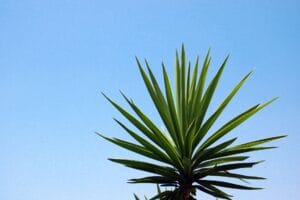
The most striking feature of Beaucarnea recurvata is its bulbous base, often referred to as an “elephant’s foot.” This structure is botanically known as a caudex. It serves as a specialized water storage organ, allowing the plant to survive long periods of drought in its native habitat. Because the plant carries its own reservoir, it does not rely on frequent rainfall or manual watering to maintain its metabolic functions.
According to the Missouri Botanical Garden, these plants can reach massive proportions in the wild, but as indoor specimens, they remain relatively slow-growing. Understanding that the trunk is full of water is the first step in preventing root rot. When you add water to the soil, the plant absorbs what it can and stores it. Whether you keep your ponytail palm on a sunny windowsill or in a spacious living room, monitoring the firmness of this caudex is vital. A healthy caudex should feel rock-hard. If the base of the trunk begins to feel soft, spongy, or slightly yielding to pressure, it is a critical warning sign that the plant is absorbing too much moisture and the internal tissues are beginning to decay.
Optimal Lighting Conditions
To keep the foliage lush and the trunk healthy, light is a critical factor. These plants crave bright, indirect light. While they can tolerate some direct morning sun, intense afternoon rays in hotter climates might scorch the long, strap-like leaves. A south or west-facing window is usually the best placement for an indoor specimen.
A healthy ponytail palm thrives when exposed to at least six hours of bright light daily. If the plant receives too little light, you will notice the new growth looking pale or stretched. The leaves may lose their characteristic curl and become limp. In low-light conditions, the plant’s metabolism slows down significantly, which means it will use even less water than usual. This is a common trap for indoor gardeners: keeping a plant in a dark corner and watering it on a standard schedule, which almost always results in overwatering. If you must keep it in a lower-light room, consider supplementing with a full-spectrum LED grow light to maintain its metabolic rate.
Watering Your Ponytail Palm: Avoiding the Soak
The most important rule for this species is to let the soil dry out completely between waterings. During the growing season (spring and summer), you might find yourself watering every two to three weeks. However, this is not a strict schedule. You must test the soil with your finger or a moisture meter. If there is any hint of dampness in the top two to three inches of soil, wait.
When watering a ponytail palm, the golden rule is to water deeply but infrequently. Use the “soak and dry” method. Pour water evenly over the soil surface until it begins to drain out of the bottom holes. Ensure the pot never sits in a saucer of standing water, as stagnant water will quickly suffocate the root system. During winter dormancy, your ponytail palm will require significantly less water—often only once every four to six weeks. The goal is to provide just enough moisture to keep the trunk from shriveling without saturating the roots. If you notice the trunk starting to look slightly wrinkled, it is a sign that the plant has depleted its internal water reserves and is ready for a thorough drink.
Soil and Potting Requirements
Standard potting soil is often too heavy and retains too much moisture for desert-adapted species. Instead, use a high-quality cactus or succulent mix. These blends usually contain sand, perlite, or pumice, which facilitate rapid drainage. If you only have regular potting soil on hand, you can amend it by mixing in 50% perlite or coarse grit.
Choosing the right container for a ponytail palm is just as important as selecting the correct soil. Terracotta pots are ideal because the porous clay allows moisture to evaporate through the walls, helping the soil dry out faster. Regardless of the material, a drainage hole is non-negotiable. A heavy soil mix will trap moisture around the roots of your ponytail palm, leading to anaerobic conditions where harmful root-rot fungi thrive. When potting, ensure the bulbous base sits entirely above the soil line; burying the caudex will cause it to rot rapidly.
Temperature and Humidity Needs
These plants are quite hardy when it comes to temperature. They prefer a range between 60°F and 80°F (15°C to 27°C) but can tolerate occasional dips down to 50°F. They are not frost-tolerant, so if you keep your plant outdoors during the summer, be sure to bring it inside before the first frost.
While the ponytail palm is highly adaptable, it does best when kept away from cold drafts, air conditioning vents, and heating units. Sudden temperature fluctuations can stress the plant, causing leaf drop. Humidity is rarely an issue for these plants. They thrive in the dry air found in most homes. Unlike tropical ferns or calatheas, they do not require misting or pebble trays. In fact, excessive humidity combined with low airflow can sometimes encourage pests like spider mites or powdery mildew.
Fertilizing for Steady Growth
Because they are slow growers, they do not require heavy feeding. A balanced, water-soluble fertilizer diluted to half-strength once in the spring and once in the summer is usually sufficient. Avoid fertilizing in the winter, as the plant is not actively growing and the salts from the fertilizer can build up in the soil, potentially damaging the sensitive roots.
Feeding your ponytail palm is a straightforward task, but over-fertilizing can lead to brown leaf tips and root burn. Always apply fertilizer to damp soil rather than completely dry soil to prevent chemical burns on the root tips. If you prefer organic methods, a thin layer of worm castings applied to the topsoil in early spring provides a gentle, slow-release source of nutrients.
Pruning and Grooming Your Plant
Pruning a ponytail palm is mostly an aesthetic task, as these plants naturally shed their older, lower leaves as they grow. Over time, the lowest leaves will turn yellow, then brown, and eventually dry up. This is a completely natural process that allows the plant to form its characteristic woody trunk. You can gently pull these dry leaves downward to peel them away from the trunk, keeping the plant looking neat and tidy.
If the tips of the leaves become brown due to dry air or mineral buildup from tap water, you can trim them. Use sharp, sterilized scissors and cut at an angle to mimic the natural shape of the leaf point. Avoid cutting into the healthy green tissue, as this can cause further browning. Never cut off the top growing point of the plant, as this is where all new foliage originates. Damaging the central crown can stunt the plant’s growth permanently or cause it to branch out in unpredictable ways.
Common Pests and Troubleshooting
While generally pest-resistant, keep an eye out for spider mites, scale, and mealybugs. These insects often hide in the crevices where the leaves meet the trunk. If you spot any webbing or sticky residue, treat the plant with insecticidal soap or neem oil. Keep a close eye on the foliage of your ponytail palm for any signs of yellowing or fine webbing, which are classic indicators of spider mite activity.
Brown tips on the leaves are common and usually indicate either very low humidity or a buildup of minerals from tap water. You can trim these tips off with clean scissors for aesthetic purposes, but be careful not to cut into the green tissue. If you suspect mineral buildup, try watering with distilled water or rainwater instead of municipal tap water.
Propagation and Repotting
Repotting should only be done every few years. These plants actually prefer to be slightly root-bound, and a pot that is too large will hold more soil—and therefore more water—than the plant can handle. When you do repot, choose a container only one size larger than the current one.
If you want to propagate your ponytail palm, look for the small offsets, or “pups,” that occasionally sprout from the base of the parent plant. Wait until the pup is at least 4 inches tall before carefully detaching it with a sharp, sterile knife. Let the cut end callous over for a few days before planting it in a well-draining succulent mix. Keep the newly potted pup in bright, indirect light and water sparingly until it establishes its own root system.
If you enjoy the low-maintenance nature of this species, you might also be interested in other Low-Water Plants: 5 Ultimate Easy Picks for Busy Homes that fit a similar lifestyle. Mastering the art of caring for your ponytail palm will ensure it remains a centerpiece of your home for decades, providing a touch of architectural beauty with very little effort.