Mastering the care for bird of paradise indoors allows plant lovers to bring an exotic, tropical flair right into their living rooms. Known scientifically as Strelitzia, these majestic plants feature dramatic, banana-like leaves that transform any interior space into a lush sanctuary.
While they look high-maintenance, these evergreen giants are surprisingly resilient when given the right environmental conditions. Understanding their native origins helps recreate a thriving indoor ecosystem that supports long-term foliage growth.
Understanding the Bird of Paradise Species
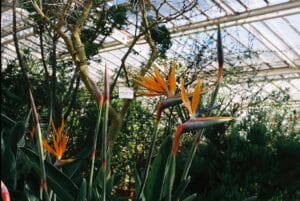
Before diving into daily maintenance, it is helpful to identify which variety of Strelitzia you own. The two most common species grown as houseplants are Strelitzia reginae (the orange bird of paradise) and Strelitzia nicolai (the giant white bird of paradise).
Strelitzia reginae is a compact grower, typically reaching heights of three to five feet indoors. It is famous for its vibrant, crane-like orange and blue flowers. While it can bloom indoors under exceptional lighting conditions, it remains highly prized for its structural, paddle-shaped leaves.
Strelitzia nicolai, on the other hand, is a true giant. Indoors, it can easily scale to heights of eight to ten feet or more, touching the ceiling with its massive, dark green leaves. This species produces white and dark blue flowers in the wild, though it rarely blooms indoors. Instead, it is grown for its dramatic, tree-like presence. Both species share similar care requirements, but the giant white variety will require significantly more vertical space and larger pots as it matures.
The Science of Split Leaves in Strelitzia
One of the most common questions new plant owners ask is why the leaves of their bird of paradise are splitting. Many worry that these tears are a sign of disease or poor health, but they are actually a natural evolutionary adaptation.
In their native South African habitats, these plants are subjected to intense coastal winds. If the massive leaves were completely solid, the wind would act like a sail, catching the foliage and snapping the thick stems or uprooting the entire plant. To prevent this, the leaves are designed to split along their lateral veins. This allows the wind to pass through harmlessly, preserving the plant’s structural integrity.
To encourage these natural tears while you care for bird of paradise indoors, you must provide the plant with adequate light and maturity. Younger leaves emerge completely solid and only begin to split as they grow larger and are exposed to air movement. However, if you prefer a pristine, unsplit look, you should place the plant in a low-traffic area away from drafty hallways, open windows, or air conditioning units that cause excessive physical friction.
Secret 1: Sunlight Optimization to Care for Bird of Paradise Indoors
To properly care for bird of paradise indoors, bright lighting is the single most critical factor. These native South African species crave abundant light to support their large foliage and potential blooming cycles.
Place your plant near a bright, south-facing or west-facing window where it receives at least four to six hours of bright light daily. A mix of direct sunlight and strong indirect light encourages robust growth without scorching the broad leaves.
If your home lacks sufficient natural sunlight, high-output LED grow lights can supplement missing lumens. You can explore botanic profiles via expert database networks to verify light thresholds for distinct tropical foliage types.
During the peak summer months, keep an eye out for leaf sunburn, which presents as crisp, brown patches on the parts of the leaves closest to the glass. If you notice this, simply filter the light with a sheer curtain or pull the pot back a foot or two from the window pane.
Secret 2: Precision Hydration and Drainage
When learning how to care for bird of paradise indoors, getting the hydration balance correct is essential for long-term health. Overwatering is the primary cause of indoor plant decline, particularly with deep-rooted tropicals.
Water deeply until moisture runs out of the bottom drainage holes, then allow the top two to three inches of soil to dry completely before watering again. During the active spring and summer growing season, the plant consumes significantly more water than in the dormant winter months.
Never let the pot sit in standing water inside a saucer, as soggy roots quickly rot. If the roots are left in waterlogged soil for too long, they will lose their ability to absorb oxygen, leading to yellowing leaves, soft stems, and eventual plant death. Investing in a simple moisture meter can help you accurately gauge when the lower root zone has dried out sufficiently.
Secret 3: Premium Soil Mixes and Potting Choice
Proper soil selection simplifies how to care for bird of paradise indoors over the long term. Standard, heavy potting soil retains too much moisture and suffocates delicate root systems.
Opt for a rich, well-draining soil mix enhanced with perlite, orchid bark, and organic compost. This structural combination provides stability while facilitating healthy aeration and rapid drainage.
Additionally, select a sturdy ceramic or heavy plastic container equipped with ample drainage holes. According to world encyclopedia resources, Strelitzia species possess thick, fleshy roots that require adequate room to expand without being constrained by tightly packed media. Because these plants can become top-heavy as they grow taller, a heavy clay or terracotta pot is highly recommended to prevent the plant from tipping over.
Secret 4: Tropical Climate Simulation
Recreating a warm atmosphere is mandatory if you want to care for bird of paradise indoors successfully. These tropical natives perform best in warm rooms with ambient temperatures consistently between 65°F and 80°F.
Keep your plant safely away from cold window drafts, air conditioning vents, and sudden heating blasts. Extreme temperature shifts can cause severe plant shock, leaf splitting, or premature foliage drop.
Average indoor air moisture often falls below what these plants naturally prefer. Boost ambient humidity levels by running a nearby humidifier, grouping plants together, or placing the pot on a tray filled with pebbles and water. Maintaining a relative humidity level of 50% to 60% will prevent the leaf edges from turning brown and crispy.
Secret 5: Leaf Hygiene and Seasonal Pruning
Routine maintenance plays an understated role when you care for bird of paradise indoors. Because the broad leaves collect dust quickly, buildup can block vital sunlight and dull the leaf’s naturally glossy appearance.
Wipe down both sides of the foliage every few weeks using a soft, damp cloth. Avoid harsh commercial leaf shine products, which can clog delicate plant pores and impede natural transpiration.
Prune away old, yellowing, or damaged stems near the base using sharp, sanitized pruning shears. This directs the plant’s energy toward producing healthy new growth rather than maintaining dying tissue. Always sterilize your cutting tools with rubbing alcohol before and after pruning to prevent the spread of pathogens.
Comprehensive Fertilization Guide
To fuel the rapid growth of these tropical giants, a consistent fertilization routine is necessary. During the active growing season of spring and summer, the bird of paradise is a heavy feeder.
Apply a balanced, water-soluble liquid fertilizer (such as a 10-10-10 NPK formula) diluted to half-strength every two to four weeks. Alternatively, you can apply a slow-release granular fertilizer to the soil surface at the start of spring.
When autumn arrives and the plant’s growth slows down, suspend all fertilization. Feeding a dormant plant can lead to a buildup of excess mineral salts in the soil, which can burn the roots and cause brown, dry tips on the leaves. If you suspect salt buildup, flush the soil thoroughly with distilled water until it runs clear from the drainage holes.
Step-by-Step Repotting Guide
As your bird of paradise grows, its robust root system will eventually outgrow its container. Knowing when and how to repot is essential for maintaining steady growth.
Signs that your plant needs repotting include roots growing out of the drainage holes, water running straight through the pot without being absorbed, or the plant lifting itself out of the soil. Ideally, repotting should be done in early spring before the active growing season begins.
First, select a new pot that is two to three inches wider in diameter than the current one. Gently tip the plant on its side and slide it out of its old container. Massage the root ball to loosen any tightly bound roots, and inspect them for signs of rot (healthy roots are thick, white, or light tan, while rotted roots are mushy and black). Place a layer of fresh potting mix at the bottom of the new pot, center the plant, and fill in the sides with more soil, pressing down gently to eliminate air pockets. Water thoroughly to settle the soil.
Propagation Methods for Bird of Paradise
Propagating your plant is a rewarding milestone as you care for bird of paradise indoors. While it is possible to grow Strelitzia from seed, the process is incredibly slow, often taking several years just to produce a small seedling. The most reliable and efficient method of propagation is division.
Division is best performed during spring repotting when the root system is already exposed. Look for natural offsets, or “pups,” growing alongside the main parent plant. These are smaller shoots that have developed their own root systems.
Using a clean, sharp knife, carefully slice the rhizome (the thick underground stem) connecting the pup to the parent plant, ensuring that the division retains a healthy cluster of roots. Plant the newly separated division into its own pot filled with a moist, well-draining soil mix. Keep the soil consistently moist but not soggy, and place the new plant in bright, indirect light until it establishes a strong root system.
Seasonal Care Adjustments
Adjusting your routine by season is a vital part of how to care for bird of paradise indoors. These plants experience distinct growth phases throughout the year, and their environmental needs shift accordingly.
In the spring and summer, maximize growth by keeping the soil consistently moist, fertilizing regularly, and ensuring the plant receives plenty of bright, direct sunlight. If you have a patio or balcony, you can transition your bird of paradise outdoors for the summer. Introduce it to the outdoor sun gradually to prevent leaf scorch, and bring it back inside before nighttime temperatures drop below 55°F.
During autumn and winter, the plant enters a semi-dormant state. Reduce watering frequency significantly, allowing the soil to dry out deeper than usual. Stop fertilizing completely. Because indoor heating systems dry out the air, pay extra attention to humidity levels during the winter months to prevent dry leaf edges.
Troubleshooting Common Indoor Plant Problems
Even with attentive care, indoor tropical plants sometimes exhibit signs of environmental stress. Learning to read leaf signals helps you resolve issues before severe root damage occurs.
Curling leaves usually indicate underwatering, low room humidity, or thermal stress. Check soil moisture immediately and increase misting frequencies if the foliage looks dry or tightly rolled.
Yellowing leaves, on the other hand, typically signal excess soil water or insufficient light exposure. Adjust your watering schedule immediately and relocate the plant closer to a brighter window.
Keep a watchful eye out for common pests like spider mites, scale, and mealybugs. Treat minor infestations early using organic neem oil or insecticidal soap applied thoroughly across all stems and undersides of leaves.
Frequently Asked Questions
How long does it take for a bird of paradise to bloom indoors?
Blooming indoors is rare and requires optimal conditions. A bird of paradise typically needs to be at least three to five years old and receive at least six hours of direct sunlight daily to produce flowers. Keeping the plant slightly root-bound can also encourage blooming.
Why are the edges of my bird of paradise leaves turning brown?
Brown, crispy edges are usually caused by low humidity, tap water minerals, or underwatering. Use filtered or distilled water, and increase the humidity around the plant using a humidifier or pebble tray.
Can I grow a bird of paradise in low light?
While the plant can survive in medium to low light, it will not thrive. Growth will slow down significantly, new leaves will be smaller and weaker, and the stems may become leggy and weak as they stretch toward the light.
Are bird of paradise plants toxic to pets?
Yes, Strelitzia species contain mild toxins that are harmful to dogs, cats, and horses. Ingesting the leaves or flowers can cause mild gastrointestinal upset, including vomiting and drooling. Keep the plant out of reach of curious pets.
Creating a Thriving Indoor Oasis
With these tailored strategies, anyone can confidently care for bird of paradise indoors and enjoy lush foliage year after year. Watching large stems unfurl into spectacular fan-like shapes brings immense satisfaction to any indoor gardener.
Consistency in lighting, watering, and climate control forms the backbone of ultimate success. Give your plant patience, space, and bright sunlight, and it will reward your living space with vibrant structural elegance.