Transforming your home office into a serene, productive sanctuary starts with clean design and intentional greenery. Incorporating minimalist plants into your workspace elevates your visual environment without creating unnecessary clutter or requiring endless maintenance. As remote work trends evolve in 2026, creating an aesthetically pleasing desk setup is essential for focus and psychological well-being. When we think about minimalist plants, we often prioritize clean lines and structural simplicity, allowing us to enjoy the calming presence of nature without the overwhelming visual noise of a dense indoor jungle.
Why Minimalist Plants Are Essential for Modern Productivity
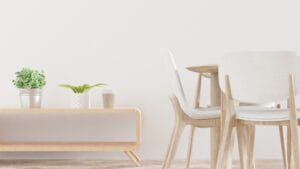
In the fast-paced digital era, our minds are constantly bombarded with notifications, emails, and virtual meetings. This constant stream of information can lead to cognitive fatigue and decreased focus. Introducing natural elements into your workspace—a concept known as biophilic design—has been scientifically proven to combat these mental drains. By selecting specific minimalist plants, you can enjoy the restorative benefits of nature without overwhelming your physical surroundings. Many professionals choose minimalist plants because they require very little physical space and demand minimal cognitive load to keep alive.
The beauty of these selections lies in their simplicity. Unlike sprawling, high-maintenance indoor gardens, these specimens are chosen for their clean lines, slow growth rates, and structural elegance. They act as living sculptures, providing a soft contrast to the hard angles of monitors, keyboards, and desk organizers. By keeping the visual noise to a minimum, you maintain a clear space that fosters deep work and creative thinking. A single, well-placed plant can serve as a visual anchor, grounding your desk setup and providing a refreshing point of focus during brief mental breaks.
The Modern Work From Home Aesthetic in 2026
Desk environments in 2026 emphasize clean lines, functional ergonomics, and soft organic textures. Biophilic design has shifted from overcrowded urban jungles toward deliberate, subtle greenery that promotes tranquility and mental clarity. The demand for minimalist plants has grown significantly as home offices become more streamlined, integrated, and multi-functional.
Selecting minimalist plants allows you to connect with nature while keeping your physical workspace neat and uncluttered. Compact botanical companions improve indoor air quality and provide visual relief during long hours in front of digital monitors. In an era where professional and personal spaces frequently overlap, these elegant green accents help define your working zone as a place of calm, focused energy.
Top 5 Minimalist Plants for Your Home Office Desk
1. Snake Plant (Sansevieria trifasciata)
The Snake Plant remains an iconic choice for modern, streamlined interiors, standing out as one of the most popular minimalist plants due to its striking upright silhouette and structural presence. Its rigid, sword-like leaves point upward, making it ideal for narrow desk spaces where spreading foliage might interfere with hardware. Among all minimalist plants, the Snake Plant stands out for its vertical growth habit, which draws the eye upward and adds height to your desk styling without taking up valuable horizontal real estate.
This species thrives in almost any lighting condition, from low-light home office corners to bright filtered windows. Botanists featured in world encyclopedia resources highlight its exceptional resilience and ability to filter airborne toxins. It is particularly effective at removing benzene, formaldehyde, trichloroethylene, and xylene from indoor air, making it a functional powerhouse for sealed, air-conditioned offices.
Watering needs are remarkably minimal, requiring moisture only every few weeks when the soil dries out completely. Its tidy growth habit ensures it stays neatly contained within small, sleek planters for years. If you tend to forget your watering schedule, this plant will forgive you, continuing to look sharp and vibrant with minimal intervention. It is the ultimate “set-it-and-forget-it” green companion for busy professionals.
2. ZZ Plant (Zamioculcas zamiifolia)
With dark green, waxy leaves that reflect light beautifully, the ZZ Plant brings a polished, refined look to any modern desk. Its architectural stems naturally grow in a clean, arching pattern that complements contemporary office furniture. This makes it one of the most forgiving minimalist plants for dark offices or windowless basement workspaces.
This hardy species is famous for surviving neglect, making it perfect for busy professionals who travel frequently. It flourishes under fluorescent lighting or standard indoor ambient light without demanding special care routines. The secret to its resilience lies in its underground rhizomes, which store water efficiently and allow the plant to withstand long dry spells.
The foliage retains a high-gloss finish without needing leaf polish, reinforcing its reputation among the most reliable minimalist plants available today. Simply allow the soil to dry between light waterings to keep it thriving effortlessly. For ultra-compact setups, look for the “Zenzi” dwarf variety, which features denser, darker leaves on shorter stems that maintain a tight, sculptural form.
3. Echeveria and Compact Succulents
For those with small desks or tight monitor setups, small Echeveria varieties offer geometric perfection in a miniature package. Their rosette formation mimics complex mathematical patterns, creating a captivating focal point beside your keyboard. These tiny rosettes are highly sought-after minimalist plants for compact workspaces where every square inch of desk surface must be carefully curated.
These compact minimalist plants store water in their fleshy leaves, requiring minimal irrigation and negligible ongoing maintenance. They thrive best in brightly lit rooms or under dedicated LED desk task lighting. If they do not receive enough light, they may begin to stretch toward the light source—a process known as etiolation—so placing them near a window or under a sleek grow light is ideal.
Pairing a small succulent with a raw concrete or matte ceramic pot creates an instant minimalist statement. Their compact footprint leaves plenty of room for your essential work tools, mousepads, and charging docks, ensuring your workspace remains highly functional.
4. Peace Lily (Spathiphyllum)
If you prefer a touch of softness alongside clean lines, the Peace Lily delivers elegant deep-green leaves and graceful white blooms. Its smooth foliage provides a pleasant contrast to hard electronic edges and geometric desk organizers. While flowering varieties are rare in clean setups, some minimalist plants like the Peace Lily offer a subtle bloom that adds a touch of organic elegance without feeling overly busy.
Peace Lilies communicate their hydration needs clearly by drooping slightly when thirsty, taking the guesswork out of plant care. They prefer medium to low indirect light, making them versatile for almost any room layout. They are also highly effective at increasing indoor humidity, which can soothe dry eyes and skin during long hours of computer work.
According to horticultural guides in the Royal Horticultural Society database, proper humidity management helps maintain crisp foliage borders. They add an undeniable element of calm sophistication to modern work environments. To prevent brown tips on the leaves, consider using filtered or distilled water, as Peace Lilies can be sensitive to fluoride and chlorine found in standard tap water.
5. Golden Pothos (Epipremnum aureum)
While Pothos can grow long trailing vines, kept neatly pruned, it serves as a gorgeous compact desk accent. Its heart-shaped, variegated leaves bring subtle splashes of yellow and green to neutral color schemes. Pruning is key to keeping these fast growers looking like true minimalist plants rather than wild, untamed vines.
Pothos adapts instantly to varied light levels and recovers quickly if you occasionally forget a watering cycle. You can train a few stems along a desktop frame or let a short vine cascade over the edge of a monitor stand, adding a dynamic, organic flow to your workspace.
Regular trimming keeps the plant compact, orderly, and perfectly aligned with minimalist design principles. It offers incredible versatility for creative desk layouts, and the cuttings can easily be propagated in simple glass test tubes filled with water, creating a beautiful secondary display on your shelves that showcases the plant’s delicate root structure.
Additional Minimalist Greenery Options for Your Workspace
While the top five choices are highly popular, other unique specimens can elevate your desk setup depending on your specific aesthetic preferences, lighting conditions, and desk size.
Air Plants (Tillandsia)
If you want to experiment with unique minimalist plants, air plants (Tillandsia) offer an incredibly futuristic and clean option. These fascinating plants do not require soil to grow; instead, they absorb moisture and nutrients through their leaves from the surrounding air. If you are looking for minimalist plants that do not require soil, Tillandsia is the perfect choice to avoid any mess near your electronics.
This soil-free nature makes them exceptionally clean for a desk environment, eliminating any risk of spilled dirt near your keyboard or computer tower. You can style them in geometric metal wire frames, rest them on a piece of natural driftwood, or place them inside a simple glass terrarium. Maintenance is as simple as misting them once or twice a week or soaking them in water for 20 minutes every fortnight, ensuring they dry completely afterward.
Cast Iron Plant (Aspidistra elatior)
For larger desks or credenzas adjacent to your workspace, the Cast Iron Plant offers a bold, architectural presence. Known for its ability to survive in near-darkness and withstand irregular watering, this plant features broad, dark green leaves that rise elegantly from the soil. The Cast Iron Plant is another excellent addition to the list of minimalist plants for low-light rooms, offering a clean silhouette with virtually zero fuss.
Its slow growth rate ensures it will not quickly outgrow its designated spot, making it an excellent long-term companion for your office. The deep green foliage provides a rich, organic contrast to light-colored wooden desks or white minimalist setups, bringing a sense of quiet strength to your workspace.
Lucky Bamboo (Dracaena sanderiana)
Lucky Bamboo is a staple of Zen-inspired design. Typically grown in water rather than soil, it offers a clean, liquid-based aesthetic that looks stunning in clear glass vessels filled with polished river stones. Many people prefer minimalist plants that can grow directly in water, such as Lucky Bamboo, because they eliminate the need for soil testing and repotting.
Its straight, segmented stalks can be trained into spirals or woven patterns, adding a touch of structured artistry to your workspace. Because it thrives in low to moderate light, it is perfect for interior offices or desks positioned away from windows. Simply change the water every couple of weeks to keep it fresh and free of algae.
Parlor Palm (Chamaedorea elegans)
If you appreciate a delicate, feathery texture but still want to maintain a clean look, the Parlor Palm is an outstanding choice. This compact palm features soft, arching fronds that bring a gentle, tropical touch to your desk, proving that minimalist plants can still offer lush, organic textures without feeling chaotic. It grows slowly and remains relatively small when kept in a desktop container, making it a wonderful option for adding soft movement to a rigid, tech-heavy workspace.
Choosing the Perfect Planter for a Minimalist Aesthetic
The vessel you choose for your desk plant is just as important as the plant itself. In minimalist design, the planter should complement the plant’s natural form without competing for attention. Choosing the right container is essential when displaying minimalist plants in a modern office, as the pot acts as the bridge between the organic world and your clean, synthetic desktop surfaces. Here are the top materials to consider:
| Planter Material | Aesthetic Style | Pros | Cons |
|---|---|---|---|
| Matte Ceramic | Modern, Scandinavian | Clean look, wide color range | Can be heavy, fragile |
| Raw Concrete | Industrial, Brutalist | Excellent weight, unique texture | Porous, can absorb moisture quickly |
| Terracotta | Rustic, Organic Modern | Highly breathable, prevents root rot | Dries out quickly, limited color palette |
| Glass Vessels | Zen, Contemporary | Shows root development, very clean | No drainage, algae growth if in direct sun |
Regardless of the material, ensure your planter has adequate drainage or use a two-pot system (a plastic nursery pot nested inside a decorative cachepot) to prevent water from pooling at the bottom, which can lead to root rot. Stick to neutral tones like matte black, soft charcoal, off-white, or warm terracotta to keep the focus entirely on the natural beauty of your minimalist plants.
How to Style Minimalist Plants on Your Desk
When styling minimalist plants on a modern desk, placement is everything. The goal is to create a balanced, harmonious composition that enhances your productivity rather than causing distraction. To maintain the visual balance of your workspace, group your minimalist plants in odd numbers or pair a single statement plant with a few carefully curated desk accessories.
Consider the rule of thirds when positioning your greenery. Instead of placing a plant directly in the center of your desk, position it slightly to one side, perhaps balancing a desk lamp or a stack of notebooks on the opposite side. This asymmetrical balance feels more natural and visually engaging, preventing your desk from looking too rigid or sterile.
Pay attention to height variations. If you have a large monitor, a taller, upright plant like a Snake Plant can help soften the vertical edge of the screen. Conversely, if you prefer a low-profile setup, a small rosette succulent or a trailing Pothos kept short will maintain those clean, horizontal lines. Keep cables and wires neatly tucked away behind your desk to ensure the organic beauty of your plant remains the undisputed focal point of your setup.
Essential Care and Maintenance for Desk Plants
Caring for minimalist plants does not have to be a time-consuming chore. In fact, most of the species selected for modern desks thrive on a degree of neglect. Understanding the light requirements of your minimalist plants will prevent them from losing their shape or stretching awkwardly toward distant windows. A few basic maintenance habits will keep your greenery looking pristine and healthy:
- The Finger Test: Before watering, insert your finger about an inch into the soil. If it feels dry, it is time to water. If it is still damp, wait a few more days. Overwatering is the most common cause of houseplant failure.
- Dusting the Leaves: Dust can accumulate on leaves over time, blocking sunlight and reducing the plant’s ability to photosynthesize. Gently wipe the leaves with a damp, soft cloth once a month to keep them clean and shiny.
- Pruning and Shaping: To maintain a neat, compact appearance, prune away any yellowing leaves or overly long vines. This encourages bushier growth and keeps the plant’s silhouette sharp and defined.
If you want to explore more resilient options, check out our guide on Low-Water Plants: 5 Ultimate Easy Picks for Busy Homes to find varieties that thrive on neglect.
Troubleshooting Common Desk Plant Issues
Even the most resilient minimalist plants can run into trouble occasionally. Knowing how to read your plant’s signals will help you address issues before they ruin your clean aesthetic.
Yellowing Leaves
Yellow leaves are most commonly a sign of overwatering. If the soil feels soggy and the leaves are turning yellow and soft, reduce your watering frequency immediately. Ensure your planter has proper drainage and never let the pot sit in standing water. If the soil is bone dry and the leaves are yellowing and crispy, the plant may be underwatered.
Brown Tips on Foliage
Brown, dry tips are usually caused by low humidity or sensitive reactions to tap water chemicals. This is common in air-conditioned or heated home offices. To remedy this, mist your minimalist plants occasionally, use a small desk humidifier, or switch to watering with filtered or distilled water.
Pests and Dust
Fungus gnats can sometimes appear if the soil remains constantly wet. Letting the soil dry out completely between waterings is the best natural defense. For spider mites or mealybugs, gently wipe the leaves with a mild insecticidal soap or neem oil solution to restore your plant’s pristine appearance.
Conclusion
Investing in minimalist plants is more than just an aesthetic choice; it is a commitment to creating a healthier, more balanced work environment. By carefully selecting low-maintenance, structurally beautiful species and pairing them with clean, modern planters, you can transform your home office desk into a source of daily inspiration and calm. Ultimately, the best minimalist plants are those that bring you joy without adding to your daily stress, seamlessly blending into your workflow.
Whether you choose the striking upright leaves of a Snake Plant or the geometric perfection of a tiny succulent, these living accents will help you stay focused, creative, and connected to the natural world throughout 2026 and beyond. Keep your workspace clean, your mind clear, and let your carefully styled greenery breathe life into your daily routine.