Bringing vibrant green vitality into interior spaces remains one of the most rewarding parts of home horticulture. If you want to bring tropical elegance into your living space with an umbrella tree, indoor trees make an incredible addition to any home decor. We at CoveMOOD recommend learning their exact natural preferences so your plant stays lush and vibrant year-round. These striking tropical plants are prized for their distinctive fan-like leaflets that resemble miniature green open umbrellas. Understanding how to emulate their natural habitat transforms what seems like a fussy plant into a resilient, fast-growing centerpiece. The umbrella tree is not just a plant; it is a living sculpture that evolves with your home environment.
Understanding the Umbrella Tree Species
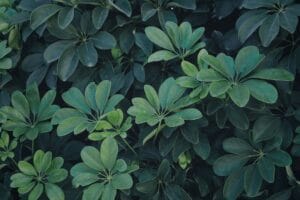
At CoveMOOD, we love helping modern plant parents turn their indoor spaces into vibrant, self-sustaining tropical sanctuaries. Today, we are focusing on a highly resilient yet architectural foliage favorite that brings instant jungle vibes to any bright corner. Mastering umbrella tree care in modern homes doesn’t have to be a guessing game of yellowing leaves and watering mistakes. By aligning your care routine with the plant’s authentic evolutionary design, we can easily foster rapid new growth and prevent common indoor pitfalls, ensuring your greenery remains absolutely pristine.
The genus Schefflera contains hundreds of species, but two primary types dominate the houseplant market: Schefflera arboricola (the dwarf version) and Schefflera actinophylla (the larger-leafed variety). Both are native to tropical regions of Taiwan and Australia, where they can grow into massive plants. In a typical home layout, this exotic green specimen is much more manageable but still possesses a vigorous growth habit that requires consistent attention. To build a strong foundation before exploring specific botanical varieties, you can review our essential styling guides on our website.
Ideal Lighting for Your Plant Layouts
Lighting is arguably the most critical factor in maintaining the long-term health of your tropical collection. These plants crave bright, indirect light to keep their foliage structurally sound. In their native rainforest habitats, they sit beneath much taller canopies, receiving beautifully filtered sunlight throughout the day. When you place this magnificent species in your living room, a spot near an east-facing window is often ideal, as it provides gentle morning sun without the harsh intensity of direct afternoon rays.
If the ambient indoor light is too low, the stems will quickly become “leggy” or stretched out as they desperately reach toward the nearest window. Direct afternoon sun can easily scorch the delicate leaflets, leading to permanent brown, crispy patches. You may also notice that variegated varieties lose their creamy splashes and turn solid green in an attempt to maximize photosynthesis. To ensure perfectly uniform growth, we recommend rotating the pot a quarter turn every single week. For deeper scientific context on how tropical species maximize light absorption under different forest canopies, exploring global world encyclopedia resources provides excellent botanical depth.
Mastering the Soak and Dry Watering Method
Irrigation frequency is where most indoor gardeners struggle. The key to successful maintenance is to completely avoid the “little and often” watering approach, which inevitably leads to mineral salt buildup and shallow, weak root systems. Instead, utilize the classic “soak and dry” method. Wait patiently until the top two inches of the potting soil feel entirely dry to the touch before hydrating the plant thoroughly. Pour filtered, room-temperature water evenly across the surface until it drains completely free from the bottom drainage holes.
Overwatering is the absolute fastest way to ruin a Schefflera. If the root ball sits continuously in waterlogged, stagnant soil, it will quickly succumb to root rot—a destructive fungal condition that turns healthy roots into a mushy, black mess. Signs of excessive moisture include yellowing lower leaves that drop prematurely and a soft, unstable main stem. If you are struggling with a declining collection, you can read our step-by-step masterclass on our homepage archives to learn how to check root tissue health. During the winter dormant period, you should significantly reduce your overall watering frequency.
Designing the Best Soil Substrate Mix
Because these tropicals are highly sensitive to moisture retention around their base, the choice of soil medium is paramount. A high-quality, peat-based commercial potting mix enhanced with generous amounts of perlite, pumice, or coarse sand is absolutely ideal for a healthy plant. This custom combination provides the necessary organic matter for long-term nutrition while ensuring that water moves quickly through the container. Avoid heavy garden soils that pack tightly and trap moisture around the fine root strands.
When choosing a container, functional drainage holes are completely non-negotiable. Repotting should typically happen every two to three years as the foliage expands. You will know it is time to upgrade the container when you notice thick roots emerging from the bottom drainage holes, or if the structural growth completely stalls despite proper care. Choose a new pot that is only one size larger than the current one to prevent over-potting issues.
Temperature and Humidity Parameters
As tropical natives, these magnificent trees prefer stable household temperatures between 65°F and 80°F (18°C to 27°C). They are not frost-tolerant and should never be exposed to drafts below 55°F. Keep your pots safely away from drying air conditioning vents, heating radiators, or poorly insulated winter windows. Humidity is another vital component for ultimate success; while they tolerate average home air, they truly thrive when the local humidity is stabilized around 50% to 60%.
To combat dry air during winter seasons, you can use a humidifier or place the pots on a tray filled with pebbles and water. Misting the leaves provides fleeting results. A better approach is to occasionally wipe the foliage with a damp cloth to remove household dust layers that clog breathing pores (stomata) and hinder photosynthesis.
Safe Organic Nutrition and Pruning Practices
To keep your foliage looking its best, a regular feeding schedule is necessary during the active growing season (spring and summer). Use a balanced, water-soluble fertilizer diluted to half-strength once a month to provide essential nitrogen, phosphorus, and potassium. Do not fertilize in the winter dormant phase, as forcing growth under low light results in weak, spindly stems. To cross-reference how international cultivators manage advanced fertilization schedules for tropical trees, exploring global expert database networks can provide excellent advanced horticultural guidance.
Pro-Tip from the CoveMOOD Team: Regular structural pruning is essential for maintaining a pleasing shape, managing vertical height, and encouraging a much bushier, multi-stemmed growth habit. When you want to control the total height, simply use sharp, sterilized shears to make a clean cut right above a leaf node on the main central stalk to force the plant to bush out beautifully.